North Texas Heat vs Your Roof: What 170°F Does to Shingles
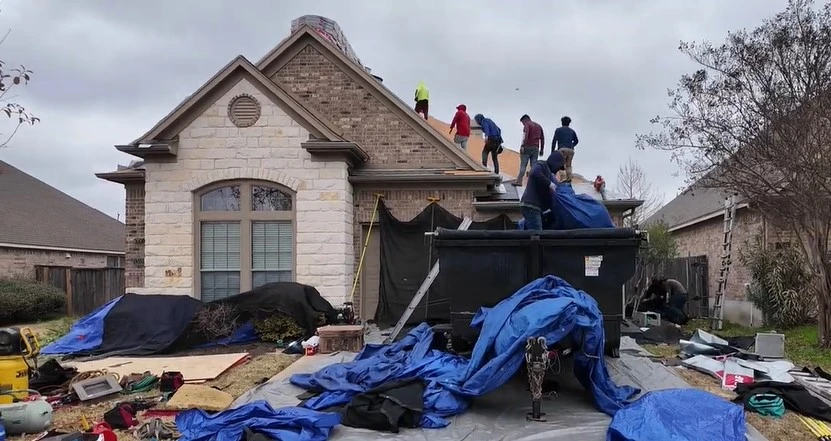
When Roanoke hits 105°F in July, your roof surface temperature reaches 150–170°F. At those temperatures, the petroleum-based oils in asphalt shingles literally cook out of the material — causing drying, brittleness, curling, cracking, and accelerated granule loss. Here’s what extreme heat does to your roof and how to protect against it.
How Heat Destroys Shingles
Oil evaporation: Asphalt shingles contain petroleum oils that keep them flexible. Heat drives these oils out of the material over time, making shingles brittle and prone to cracking.
Granule adhesion failure: The bond between granules and the asphalt substrate weakens at sustained high temperatures, causing accelerated granule loss and UV exposure.
Thermal shock: Daily cycles from 170°F to 80°F create expansion/contraction stress. Over thousands of cycles, micro-fractures develop throughout the shingle.
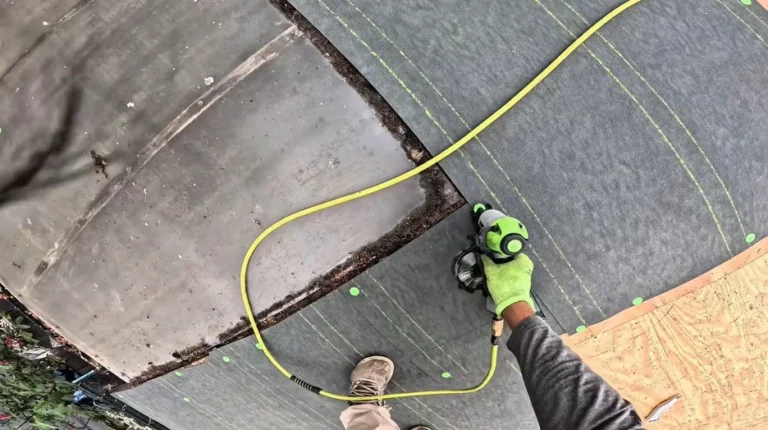
Underlayment degradation: Felt underlayment dries out faster in extreme heat, losing its waterproofing properties years before expected.
Why This Matters for Roanoke
Roanoke averages 100+ days above 90°F per year. South-facing roof slopes take the full force of summer sun. Combined with 54+ annual hail events, your shingles face a double threat: UV/heat degradation from above and hail impact damage from storms. This is why roofing materials last 30–40% shorter in North Texas than their rated lifespan.
Heat-Resistant Material Options
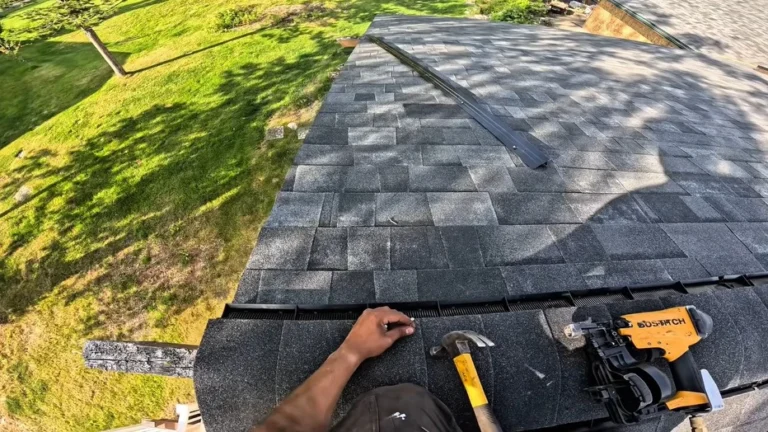
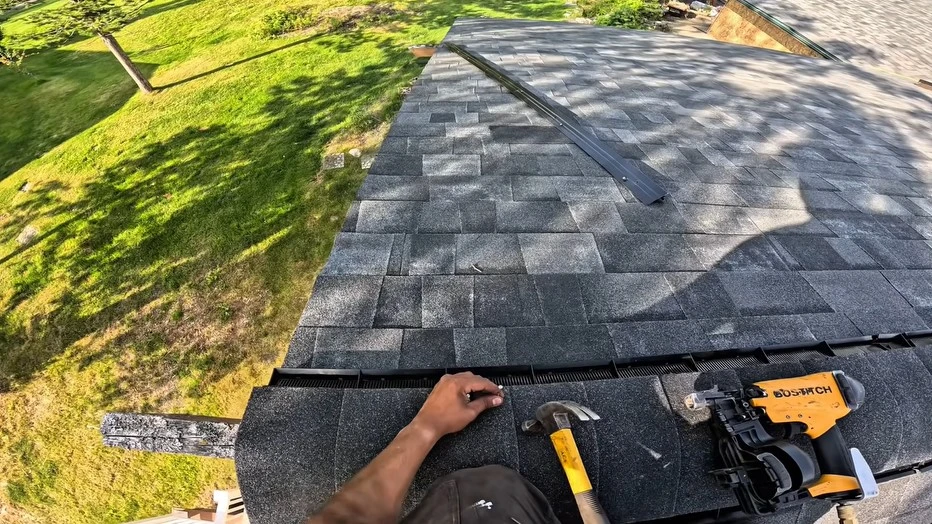
Class 4 IR shingles with enhanced granule adhesion (GAF Timberline HDZ, Owens Corning Duration FLEX) perform significantly better in heat.
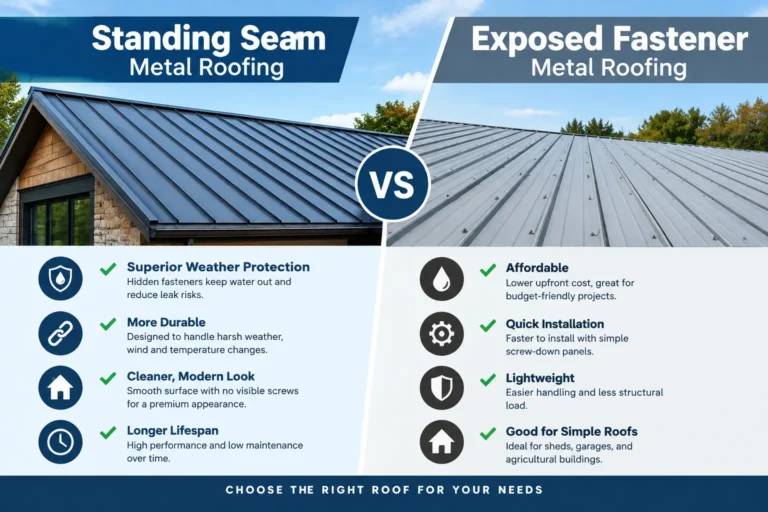
Standing seam metal reflects heat rather than absorbing it, reducing attic temperatures by 20–30°F.
Proper ventilation removes trapped heat from the attic, protecting shingles from both sides.
Need Help With Your Roanoke Roof?
Free 45-min inspection. No obligation.
Free Inspection (737) 738-8111